
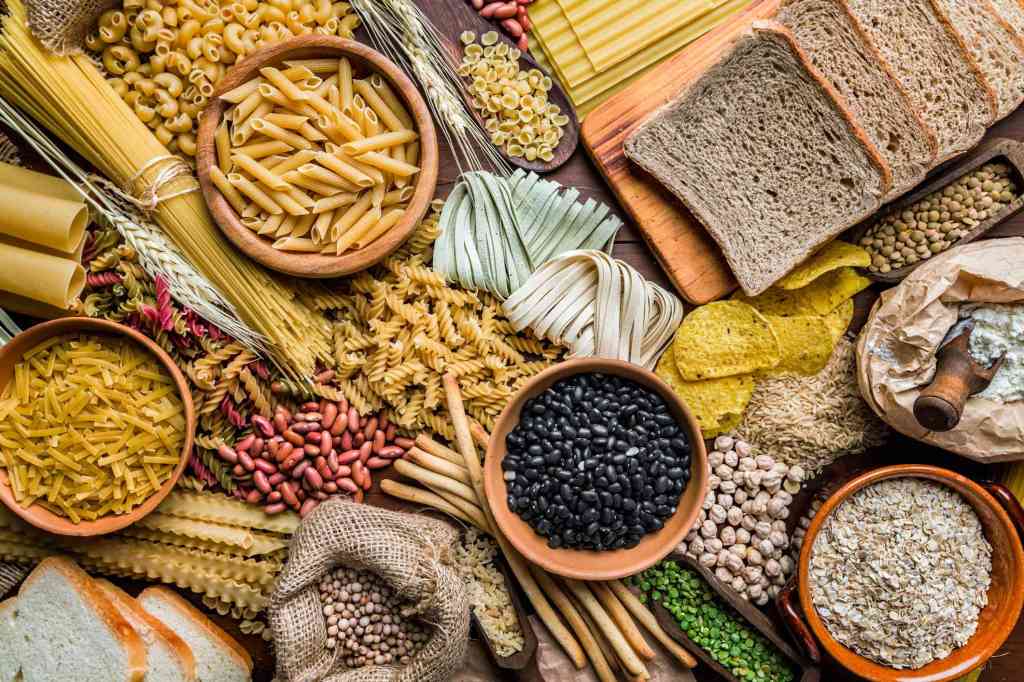
Welcome again to another journey along The Hitchhiker’s Guide to Medicine! Today, we will go over an intriguing discovery about a common villain-or so we thought-in our daily diets: Carbs!
Carbohydrates, often shortened to “carbs,” are one of the three main types of nutrients in our diet, alongside proteins and fats. They are found in foods like bread, pasta, rice, fruits, and vegetables. Carbs are broken down into glucose (the sugar that circulates in your blood and provides energy to your cells) by our bodies, which provides energy for our cells. However, not all carbs are created equal.
- Simple Carbohydrates: These are quickly digested and can lead to rapid spikes in blood sugar levels. Examples include sugary drinks, pastries, and candy.
- Complex Carbohydrates: These take longer to break down, providing a slower release of energy. Foods like whole grains, vegetables, and legumes fall into this category.

Experts have warned against the overconsumption of carbs, especially simple carbohydrates, because they can lead to weight gain and increase the risk of heart disease. But what about complex carbohydrates? According to new research, these carbs might actually help protect your heart.
The Study: A Closer Look
Recent research highlighted suggests that people who include a moderate amount of complex carbohydrates in their diet might have better heart health than those who avoid them. When consumed in the right amounts, foods like baked potatoes, rice, and other carbs could improve heart function and reduce the risk of heart disease. But why?
- Blood Sugar Control: Complex carbohydrates, like those in potatoes and rice, are rich in fiber, which slows down the digestion and absorption of sugar into the bloodstream. This gradual process prevents rapid spikes in blood sugar levels, which can lead to insulin resistance—a risk factor for heart disease. By maintaining stable blood sugar levels, these carbs support overall heart health.
- Nutrient Density: Beyond providing energy, foods like potatoes and rice are packed with essential vitamins, minerals, and antioxidants. Potatoes offer vitamin C, potassium, and vitamin B6, all of which support heart function. Brown rice is rich in magnesium and manganese, important for heart and bone health, and contains antioxidants that protect cells from damage linked to heart disease.
- Satiety: Including complex carbs in your diet promotes satiety, helping you feel full longer. The fiber in these foods slows digestion and stabilizes blood sugar, reducing the urge to overeat. This can aid in weight management, a crucial factor in preventing heart disease. By choosing complex carbs, you can maintain a healthy weight and protect your heart in the long run.
If you’re looking to incorporate more heart-healthy carbs into your diet, consider the following tips:
- Opt for Whole Grains: Choose brown rice, quinoa, or whole wheat over refined grains. These options are higher in fiber and nutrients.
- Portion Control: While these foods are beneficial, it’s essential to consume them in moderation. A balanced plate might include a serving of whole grains or starchy vegetables, a source of protein, and plenty of non-starchy vegetables.
- Pair with Protein: Combining carbs with a lean protein source, like chicken or fish, can further help regulate blood sugar levels.
- Be Mindful of Preparation: How you prepare your carbs matters. Baking or boiling potatoes, for example, is healthier than frying them.

This new research sheds light on the complex relationship between carbohydrates and heart health, suggesting that carbs are not the enemy they’ve often been made out to be. Instead, with mindful eating, these foods can contribute to a healthy heart. So, the next time you’re planning a meal, don’t shy away from adding that serving of baked potatoes or brown rice—they might just be doing your heart a favor. Stay tuned to “The Hitchhiker’s Guide to Medicine” as we uncover more marvels and milestones in the field of medical science. Until then, keep exploring and stay curious!

 A Hitchhiker's Guide to Medicine
Leave a comment