

Welcome back to another adventure along The Hitchhiker’s Guide to Medicine! Today, we will discuss some new, groundbreaking research on a group of proteins that can reverse cell damage caused by neurodegenerative diseases.
But first, we need to understand what neurodegenerative diseases are before we highlight the protein group. Neurodegenerative diseases are characterized by the progressive degeneration and death of nerve cells, or neurons, in the brain and spinal cord. This degeneration leads to a gradual loss of cognitive, motor, and sensory functions. Common neurodegenerative diseases include Alzheimer’s disease, Parkinson’s disease, Huntington’s disease, and amyotrophic lateral sclerosis (ALS). These conditions often lead to symptoms such as memory loss, impaired movement, muscle weakness, and cognitive decline, severely impacting the quality of life of affected individuals.
Neurodegenerative diseases are often caused by the abnormal buildup of proteins in the brain, called aggregations. For example, in Alzheimer’s disease, proteins called amyloid-beta form plaques outside neurons, while tau proteins form tangles inside neurons. In Parkinson’s disease, a protein called alpha-synuclein aggregates into clumps known as Lewy bodies. These abnormal protein accumulations disrupt normal cellular functions, leading to neuronal damage and death.
Additionally, mitochondrial dysfunction, oxidative stress, and brain inflammation contribute to neurodegeneration. Mitochondria, the energy producers of cells, may become impaired, leading to energy deficits in neurons. Oxidative stress, caused by an imbalance between free radicals and antioxidants, damages cellular components, including proteins, lipids, and DNA. Chronic inflammation in the brain further exacerbates neuron damage.
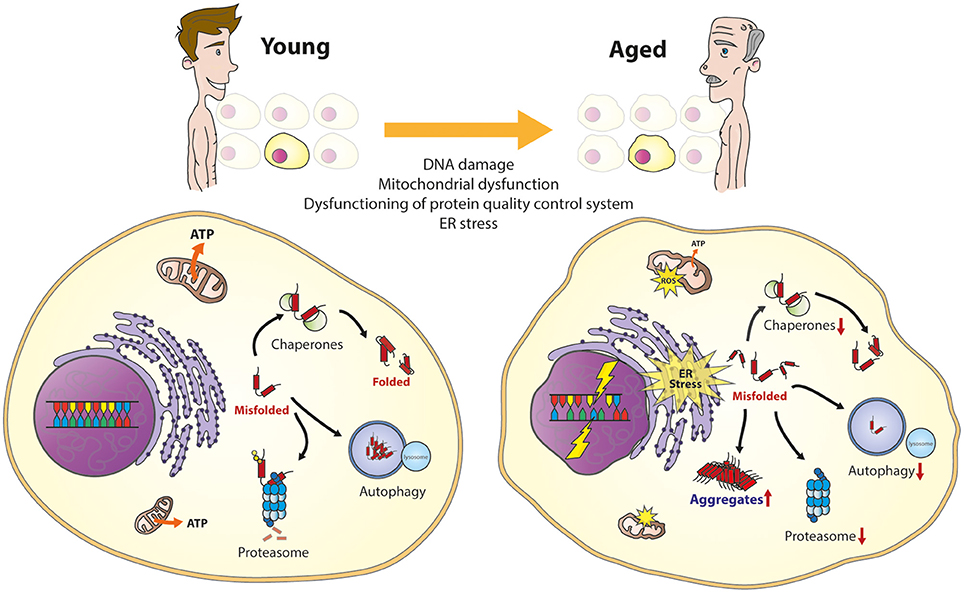
However, researchers have discovered a group of glycoproteins(protein and carbohydrate chain combined together) called HSPGs (heparan sulfate modified proteoglycans) that could offer a potential cure to neurodegenerative diseases.
Heparan sulfate proteoglycans (HSPGs), located on the surface of cells and within the extracellular matrix, play a crucial role in regulating cell repair and enhancing cell growth-signaling systems. The heparan sulfate sugar chains attach to proteins, allowing them to influence various cellular processes such as cell growth, interactions between the cell and its environment, and autophagy. Autophagy is a process that helps clear out protein aggregates, which are a hallmark of Alzheimer’s disease, as well as other damaged parts of cells.
Researchers discovered that by reducing the role of HSPGs in cells affected by a neurodegenerative disease, it improved mitochondrial function, made autophagy more efficient and effective, and reduced the buildup of lipids(fat molecules) within the cell, the reverse of common changes a cell undergoes when infected by a neurodegenerative disease.
These findings suggest that targeting HSPGs could be a promising therapeutic strategy for treating neurodegenerative diseases. By improving mitochondrial function and enhancing autophagy, cells can better manage energy production and clear out harmful protein aggregates and damaged components. Additionally, reducing lipid buildup helps maintain cellular health and function. This research opens up new areas for developing treatments that address the root causes of neurodegeneration, potentially slowing disease progression and improving the quality of life for affected individuals. For now, stay tuned to “The Hitchhiker’s Guide to Medicine” as we uncover more marvels and milestones in the field of medical science. Until then, keep exploring and stay curious!
 A Hitchhiker's Guide to Medicine
Leave a comment