
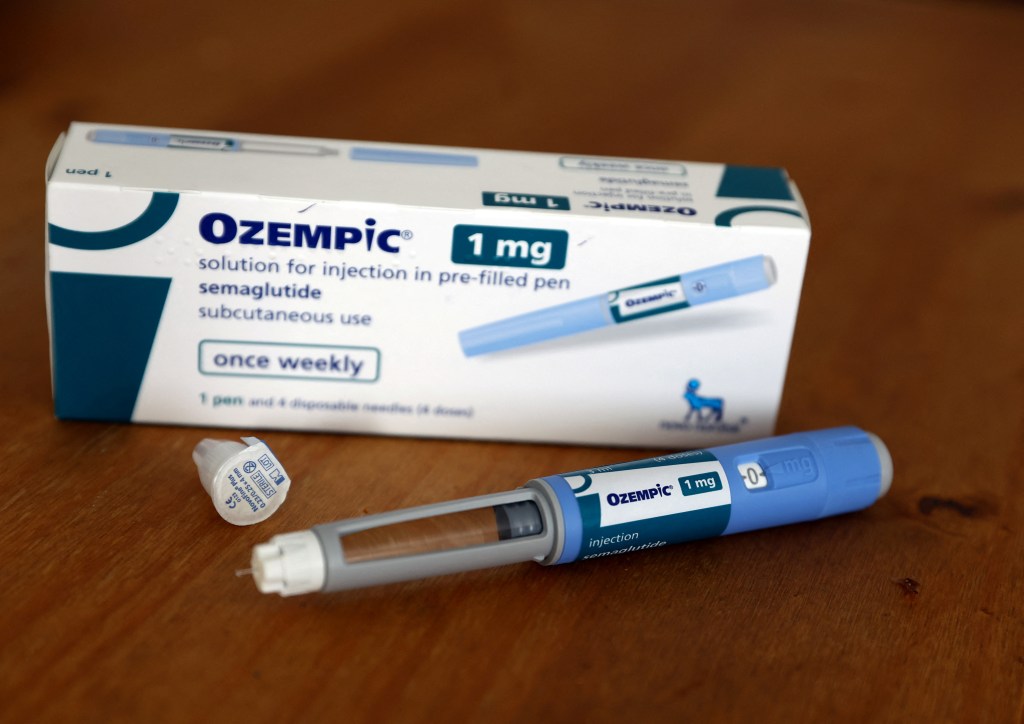
Welcome again to another journey along The Hitchhiker’s Guide to Medicine! Today, we look at an alarming discovery scientists have made towards the side effects of a common form of treatment for diabetes: semaglutide, which is marketed under popular names like Ozempic and Wegovy.
Diabetes, as many may know, is a chronic medical condition that occurs when the body is unable to properly regulate blood sugar (glucose) levels. Often, this occurs when the body has trouble with the release of insulin, an enzyme that converts glucose to cellular energy, such as ATP. Doctors often prescribe forms of semiglutide to help individuals with diabetes regulate their glucose concentrations in their blood.
But what is a semiglutide, and how specifically does it help treat diabetes? Semiglutide mimics the naturally occurring hormone GLP-1 in the body. GLP-1 cause a variety of body responses, all of which can help mitigate diabetes:
- Stimulating Insulin Secretion: Semaglutide increases the secretion of insulin by the pancreas after an individual eats food. This helps lower blood sugar levels after eating.
- Suppressing Glucagon Release: Semaglutide reduces the release of glucagon, a hormone that raises blood sugar levels by signaling the liver to release glucose that is stored throughout the body. Lowering glucagon levels helps prevent high blood sugar levels.
- Slowing Rate of Food Leaving Stomach: Semaglutide slows down the rate at which food leaves the stomach, leading to a more gradual absorption of glucose into the bloodstream. This helps prevent spikes in blood sugar levels.
- Increasing Feelings of “Fullness“: Semaglutide acts on the brain to promote feelings of fullness. Therefore, individuals will consume less food, and consequently less glucose enters the blood stream via consumed food.
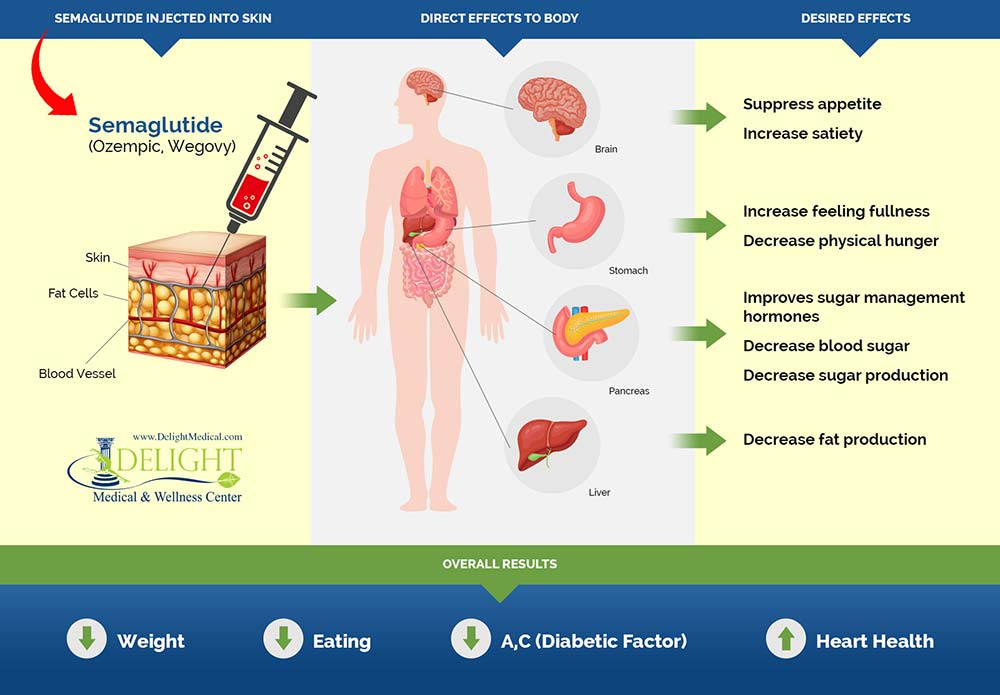
Because it often lowers weight (due to the fact that is lowers glucose levels in the body), semiglutide is often a popular weight-loss treatment, and used by many who do not have diabetes!
However, scientists have recently discovered a dangerous side affect to semaglutide: the potential for blindness!
Semaglutides have been linked to a rare but serious eye condition called non-arteritic anterior ischemic optic neuropathy (NAION). NAION is characterized by sudden, painless vision loss in one eye due to reduced blood flow to the optic nerve. A study highlighted that people with diabetes who were prescribed semaglutide were over four times more likely to develop NAION compared to those taking other antidiabetic medications. This increased risk is thought to be associated with the drug’s impact on blood flow dynamics in the optic nerve region.
This information is crucial for patients and doctors to discuss, especially for those with preexisting optic nerve issues or other risk factors for vision loss. While semaglutides offer substantial benefits for blood sugar control and weight management, their potential impact on eye health warrants careful consideration and further research. Stay tuned to “The Hitchhiker’s Guide to Medicine” as we uncover more marvels and milestones in the field of medical science. Until then, keep exploring and stay curious!


Leave a comment