
Welcome back to another adventure along The Hitchhiker’s Guide to Medicine! Today, we look at a “tasty” study on the ability from probiotics to reduce anxiety.
Anxiety disorders affect millions of people worldwide, with many struggling to find effective treatments. While therapy and medication remain the gold standard, researchers are increasingly exploring alternative and complementary approaches—including probiotics.
Probiotics, which are beneficial bacteria found in fermented foods and supplements, are known for their role in digestive health. But emerging research suggests that they may also play a role in mental well-being by influencing the gut-brain axis. Could probiotics become a viable tool in managing anxiety?
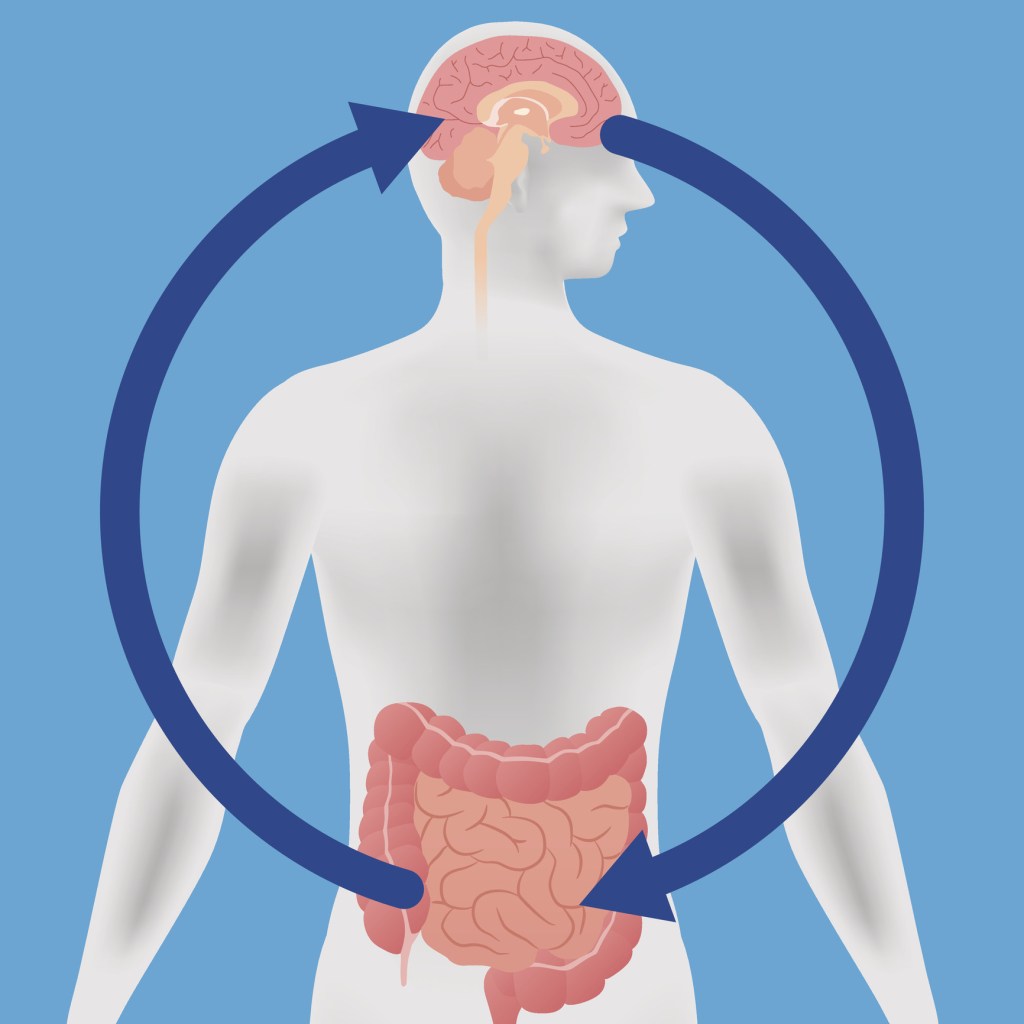
The gut-brain axis is a complex communication network linking the gut and the central nervous system. This connection is mediated by the vagus nerve, immune system, and neurotransmitters produced by gut bacteria.
One of the most compelling discoveries in neuroscience and microbiology is that gut bacteria can influence brain function. The microbiome, which consists of trillions of microorganisms in the digestive tract, plays a crucial role in producing neurotransmitters such as:
- Serotonin (about 90% of the body’s serotonin is produced in the gut)
- Gamma-aminobutyric acid (GABA), which helps reduce anxiety
- Dopamine, involved in mood regulation
When the gut microbiome is unbalanced—due to stress, poor diet, or antibiotics—it may contribute to mental health issues, including anxiety and depression. Researchers believe that introducing beneficial bacteria through probiotics could help restore this balance.
Recent animal research provides strong evidence that gut bacteria influence anxiety-like behaviors. In a 2024 study, scientists discovered a gut-derived metabolite that regulates brain activity linked to anxiety in mice. When the gut microbiota was altered, the mice exhibited changes in anxiety-related behaviors.
Another study found that germ-free mice, which lack gut bacteria, exhibited higher levels of anxiety and stress. However, when they were given probiotics, their anxiety behaviors decreased, suggesting a strong connection between gut bacteria and mental health.
While research in animals is promising, the evidence in humans is still developing. A systematic review and meta-analysis analyzed multiple studies on probiotics and mental health. The results were mixed—some probiotic strains appeared to improve symptoms of anxiety and depression, while others had no significant effect.
A few key findings:
- Lactobacillus and Bifidobacterium species have shown potential in reducing stress and anxiety.
- Multi-strain probiotics seem to be more effective than single-strain probiotics.
- Effects may be strain-specific, meaning not all probiotics work for mental health.

Another 2022 clinical trial found that individuals with depression who took probiotics alongside antidepressants had greater improvements in mood and anxiety symptoms than those who took antidepressants alone.
If you’re interested in trying probiotics for anxiety, incorporating probiotic-rich foods into your diet is a natural and safe approach. Here are some of the best options:
- Yogurt – Contains live cultures of Lactobacillus and Bifidobacterium.
- Kefir – A fermented dairy product with multiple strains of probiotics.
- Kimchi – A Korean fermented cabbage rich in Lactobacillus.
- Sauerkraut – Fermented cabbage high in gut-friendly bacteria.
- Miso – A Japanese fermented soybean paste that contains probiotics.
- Tempeh – A fermented soybean product rich in Bacillus species.
If you opt for probiotic supplements, look for products containing Lactobacillus, Bifidobacterium, or a multi-strain formula. However, always consult with a healthcare professional before starting a supplement regimen.
The gut-brain connection is a fascinating area of research, and probiotics may offer a natural, accessible way to support mental health. While early studies show promise, more research is needed to determine the best strains, dosages, and mechanisms by which probiotics influence anxiety.
For now, incorporating probiotic-rich foods into your diet may be a beneficial step toward better gut and mental health. If you’re experiencing anxiety, consider speaking with a healthcare professional to explore all available treatment options.
Stay tuned to “The Hitchhiker’s Guide to Medicine” as we uncover more marvels and milestones in the field of medical science. Until then, keep exploring, and stay curious!
 A Hitchhiker's Guide to Medicine
Leave a comment