
Welcome back to another adventure along The Hitchhiker’s Guide to Medicine! Today, we look at a unique study that highlights the ability of antibiotics, vaccines, and antivirals in lowering dementia risk.
Dementia, a condition characterized by progressive cognitive decline, has become a pressing global health concern as populations age. While much of the focus has been on lifestyle interventions like diet, exercise, and cognitive training, a lesser-known yet intriguing avenue of research is exploring how antibiotics, vaccines, and antivirals might play a role in reducing dementia risk.
Chronic infections and systemic inflammation have long been suspected as contributors to dementia. Conditions like Alzheimer’s disease, the most common form of dementia, are increasingly linked to immune responses gone awry. Amyloid-beta plaques, a hallmark of Alzheimer’s, may not simply be pathological byproducts; they could represent the brain’s defense against microbial invasions.
This hypothesis has led researchers to examine whether managing infections through antibiotics, vaccines, and antivirals can mitigate the inflammatory cascades associated with neurodegeneration.
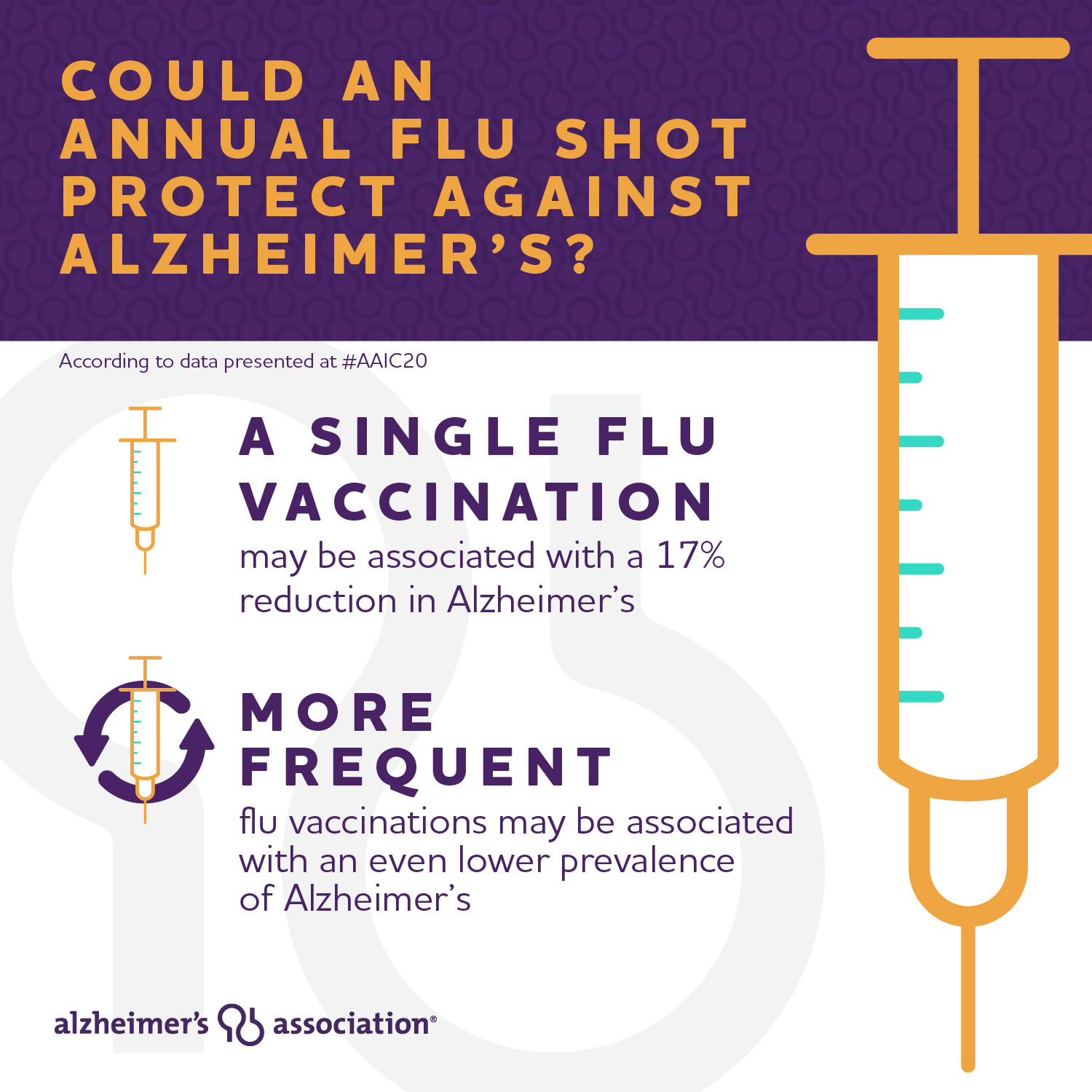
Vaccines may indirectly protect cognitive health by reducing the burden of infections that could contribute to neuroinflammation. For instance, studies have shown that vaccines against influenza, pneumococcal bacteria, and even herpes zoster (shingles) are associated with a lower risk of dementia. The mechanisms behind this protective effect are twofold:
- Lowering Infection Risk: Vaccines reduce the likelihood of infections that can lead to systemic inflammation and damage to the brain’s blood-brain barrier.
- Immune Modulation: Vaccination may prime the immune system in ways that prevent chronic inflammatory states, which are increasingly recognized as contributors to cognitive decline.
Antibiotics, widely used to treat bacterial infections, might also have a role in dementia prevention by controlling chronic low-grade infections that could accelerate neurodegeneration. For example, some researchers have linked periodontal disease—a condition tied to certain bacteria—with a higher risk of Alzheimer’s. Treating such infections with antibiotics may alleviate this risk.
However, antibiotics are not without their challenges. Overuse can disrupt the gut microbiome, an ecosystem intricately connected to brain health. Imbalances in gut bacteria have been linked to increased inflammation and even direct pathways to cognitive decline via the gut-brain axis. This duality underscores the need for careful application of antibiotics in dementia prevention strategies.
The herpes simplex virus type 1 (HSV-1), responsible for cold sores, has been implicated in Alzheimer’s disease. Researchers have found HSV-1 DNA in the brains of individuals with Alzheimer’s, particularly in regions affected by the disease. Antiviral medications, such as those used to manage HSV-1 infections, may help by reducing the viral load and associated inflammation.
For example, long-term use of antivirals like acyclovir has been associated with a lower prevalence of dementia, although more research is needed to confirm causation. This avenue is particularly exciting as it targets a potentially modifiable risk factor.
While the idea of using antibiotics, vaccines, and antivirals to lower dementia risk is promising, several challenges remain. First, the exact mechanisms by which infections contribute to neurodegeneration are not fully understood. Additionally, long-term effects of these interventions—particularly antibiotics—on the microbiome and overall health must be carefully evaluated.
Further research is needed to establish causality, determine optimal timing for interventions, and identify which populations might benefit most. For example, would vaccinating younger adults against shingles or influenza have long-term protective effects on cognition, or is the benefit limited to older adults?
The connection between infections and dementia underscores the importance of a holistic approach to brain health. Managing infections through antibiotics, vaccines, and antivirals could become an integral part of dementia prevention strategies, complementing lifestyle changes and other medical interventions.
As research evolves, we may find that routine vaccinations and strategic use of antivirals and antibiotics not only protect against infections but also serve as powerful tools to preserve cognitive health. This shift in focus could bring us one step closer to reducing the global burden of dementia—a goal that benefits us all.
Stay tuned to “The Hitchhiker’s Guide to Medicine” as we uncover more marvels and milestones in the field of medical science. Until then, keep exploring, and stay curious!
 A Hitchhiker's Guide to Medicine
Leave a comment