
Welcome back to another adventure along The Hitchhiker’s Guide to Medicine! Today, we look at a unique discovery discussing how insufficient sleep and high blood pressure can be detrimental for your brain!
In recent years, the link between lifestyle factors like sleep and cardiovascular health has become a growing area of research. A new study sheds light on how insufficient sleep and high blood pressure may accelerate brain aging and increase the risk of brain injury. We will delve into the study’s findings and discuss the broader implications for maintaining brain health.
The human brain undergoes natural aging processes over time, but certain factors can speed up this progression. Sleep, often regarded as the body’s repair mechanism, plays a pivotal role in maintaining cognitive health. Similarly, blood pressure regulates blood flow to the brain, ensuring oxygen and nutrient delivery. When sleep and blood pressure are disrupted, the brain becomes vulnerable to injury and cognitive decline.
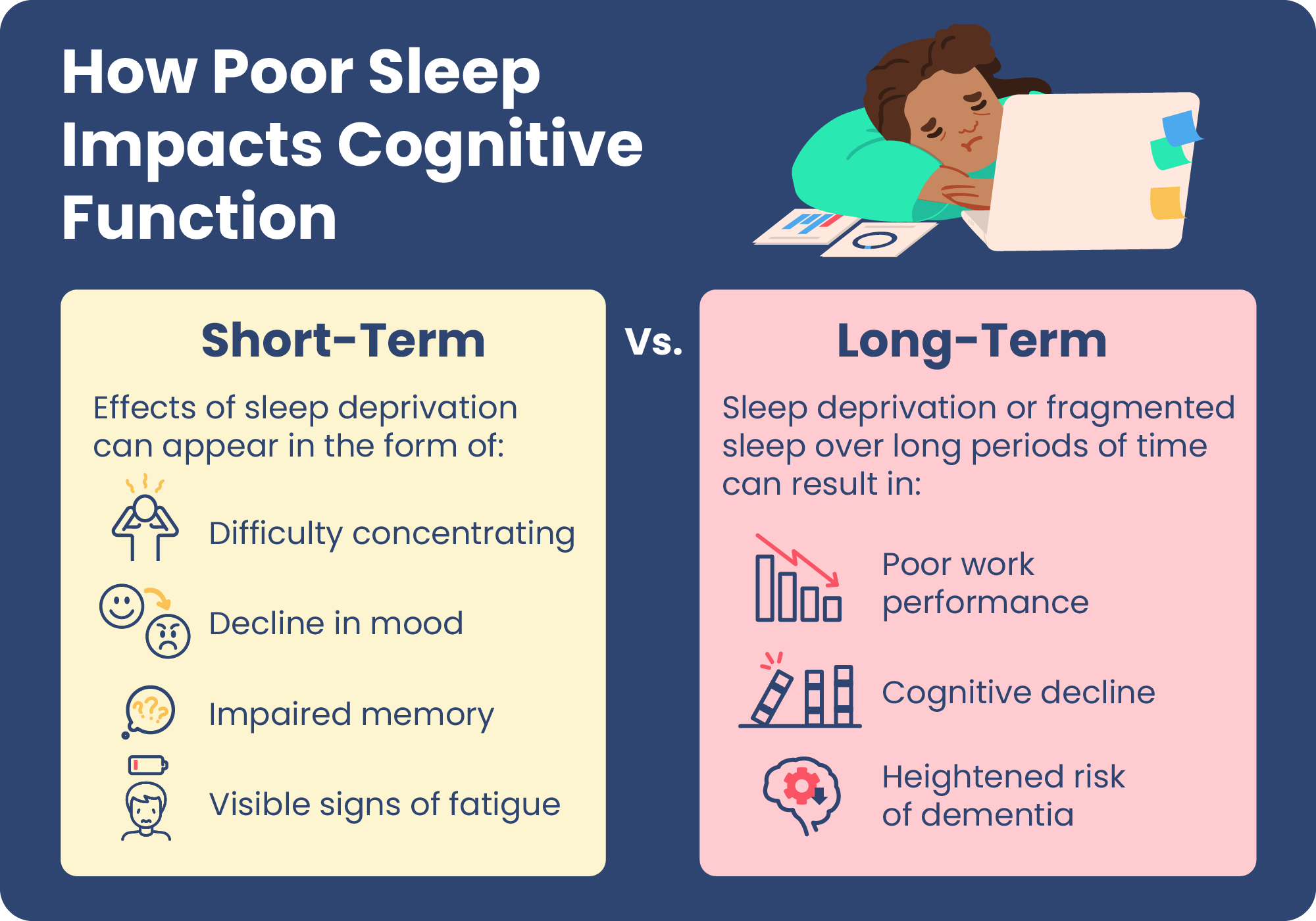
Research highlights that individuals with insufficient sleep and poorly managed high blood pressure are at higher risk for brain-related complications, including:
- Increased White Matter Lesions: These lesions, visible on MRI scans, are associated with reduced cognitive function and higher risks of dementia.
- Accelerated Cognitive Decline: Chronic sleep deprivation and hypertension may damage blood vessels in the brain, leading to long-term cognitive impairment.
The study explains that insufficient sleep can disrupt the body’s circadian rhythm, leading to hormonal imbalances and inflammation. These changes exacerbate hypertension, creating a vicious cycle that damages the blood-brain barrier and neuronal health. Over time, these disruptions manifest as structural and functional changes in the brain.
Key findings from the study include:
- Sleep Duration Matters: Adults who sleep fewer than 7 hours per night exhibit higher rates of cognitive decline.
- Hypertension as a Silent Killer: Uncontrolled high blood pressure may worsen cerebral small vessel disease, a key contributor to white matter damage.
This research reinforces the need to prioritize both cardiovascular and sleep health as part of a holistic approach to brain health. Early interventions, such as regular blood pressure monitoring and sleep hygiene practices, can mitigate risks and slow brain aging.
Practical Recommendations:
- Optimize Sleep Hygiene:
- Maintain a consistent sleep schedule.
- Limit caffeine and screen exposure before bed.
- Create a comfortable sleep environment.
- Manage Blood Pressure:
- Adopt a heart-healthy diet (e.g., the DASH diet).
- Engage in regular physical activity.
- Monitor blood pressure levels and seek medical advice if they remain high.
- Combine Lifestyle Strategies:
- Practice stress-reduction techniques like meditation or yoga.
- Avoid smoking and excessive alcohol consumption, as both negatively impact sleep and cardiovascular health.
This study highlights the interconnectedness of sleep and cardiovascular health in determining brain health. As research progresses, integrating these findings into public health strategies could help reduce the prevalence of cognitive disorders like dementia.
For individuals, the message is clear: prioritizing restorative sleep and maintaining healthy blood pressure are crucial for preventing brain aging and protecting long-term cognitive function. By making small, consistent changes today, we can ensure a healthier tomorrow.
Stay tuned to “The Hitchhiker’s Guide to Medicine” as we uncover more marvels and milestones in the field of medical science. Until then, keep exploring, and stay curious!
 A Hitchhiker's Guide to Medicine
Leave a comment