
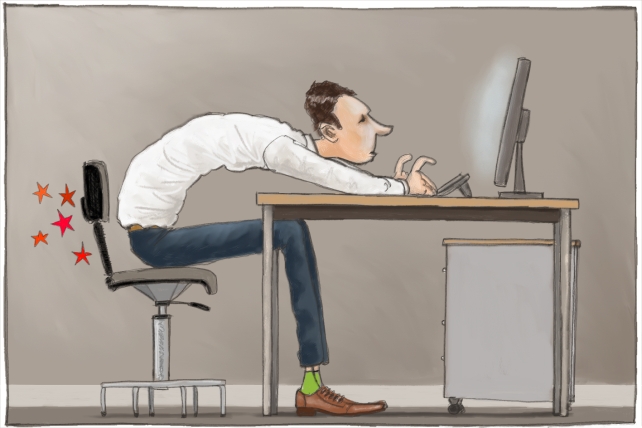
Welcome back to another adventure along The Hitchhiker’s Guide to Medicine! Today, we cover a pressing issue we all experience: sitting down for too long!
As our lives increasingly revolve around screens, long hours of sitting have become a defining feature of modern existence. From office jobs to entertainment and commutes, the tendency to stay sedentary is pervasive. But while we’ve heard warnings about staying active, a recent study highlights a sobering truth: sitting for more than 10 hours a day significantly increases the risk of heart failure and cardiovascular-related death.
This landmark study analyzed data from over 100,000 participants across various demographics, focusing on their daily sitting habits and cardiovascular health outcomes. Researchers identified a clear link between extended sitting and a heightened risk of heart failure and cardiovascular death. Those who spent more than 10.6 hours per day sitting had a substantially higher risk compared to their more active counterparts.
What’s particularly alarming is that the increased risk persisted even for individuals who met the standard physical activity recommendations of 150 minutes of moderate to vigorous exercise per week. This finding suggests that regular exercise, while essential, may not fully negate the adverse effects of prolonged sitting.
The health risks associated with sedentary behavior stem from several physiological changes that occur when the body remains inactive for extended periods:
- Reduced Insulin Sensitivity: Long periods of inactivity disrupt glucose metabolism, increasing the risk of Type 2 diabetes.
- Increased Inflammation: Chronic inflammation, linked to sedentary habits, contributes to arterial damage and the development of cardiovascular disease.
- Decreased Circulation: Sitting for hours can impair blood flow, potentially leading to blood clots or deep vein thrombosis.
- Metabolic Slowdown: Prolonged sitting reduces calorie burn and can contribute to obesity, another key risk factor for heart disease.

Understanding the risks of prolonged sitting is just the first step. Implementing actionable strategies to reduce sedentary time is crucial for heart health. Here are some practical tips to help:
1. Take Regular Breaks
- Every 30 minutes, stand up and move around for a few minutes.
- Use reminders on your phone or smartwatch to stay consistent.
2. Transform Your Workspace
- Invest in a standing desk or an adjustable workstation that allows you to alternate between sitting and standing.
- Consider treadmill desks for a more active workday.
3. Incorporate Movement Into Daily Activities
- Hold walking meetings instead of sitting in a conference room.
- Opt for stairs over elevators and take short walks during lunch breaks.
4. Monitor Your Sedentary Time
- Use wearable fitness trackers to measure how much time you spend sitting.
- Set daily activity goals and challenge yourself to reduce your sitting hours progressively.
5. Prioritize Physical Activity
- While exercise doesn’t fully counteract sitting’s effects, it’s still vital for overall health.
- Aim for activities that engage the whole body, such as swimming, yoga, or cycling.
The findings of this study serve as a wake-up call: prolonged sitting is more than just a bad habit—it’s a serious health risk. While our modern lifestyles often demand extended periods of inactivity, we have the tools and knowledge to mitigate these risks. The key lies in integrating small but meaningful changes into our daily routines.
By taking breaks, moving more, and rethinking how we approach sedentary tasks, we can protect ourselves from the hidden dangers of sitting. Remember, it’s not just about the hours you spend exercising—it’s about the hours you spend sitting, too. For a healthier heart and a longer life, let’s all strive to sit less and move more.
Stay tuned to “The Hitchhiker’s Guide to Medicine” as we uncover more marvels and milestones in the field of medical science. Until then, keep exploring, and stay curious!
 A Hitchhiker's Guide to Medicine
Leave a comment