
Welcome back to another adventure along The Hitchhiker’s Guide to Medicine! Today, we dive into an alluring study on calcium and magnesium level’s effect on our cognitive health.
Cognitive health, including memory, problem-solving abilities, and attention, is essential for daily functioning and overall quality of life. Recent research underscores the impact of micronutrient levels, particularly calcium and magnesium, on cognitive performance. Calcium and magnesium play essential roles in various bodily functions, from muscle and nerve function to bone health, but emerging evidence reveals that they may also have significant effects on brain health.
In this recent study, researchers examined the connection between blood calcium and magnesium levels and cognitive performance in older adults. The study evaluated cognitive health markers in participants by assessing calcium and magnesium levels and tracking cognitive performance through tests of memory, attention, language, and executive function. The data suggests that individuals with low levels of these minerals demonstrated poorer cognitive performance, hinting at a critical, often-overlooked aspect of cognitive health.
Most people associate calcium with strong bones and teeth, but this mineral is also crucial for brain health. Calcium ions are instrumental in neurotransmission, the process through which nerve cells communicate. Disruptions in calcium levels can interfere with normal brain signaling, potentially leading to cognitive decline. For instance, low calcium levels may impair synaptic plasticity – the brain’s ability to adapt and reorganize neural connections, a process crucial for learning and memory.

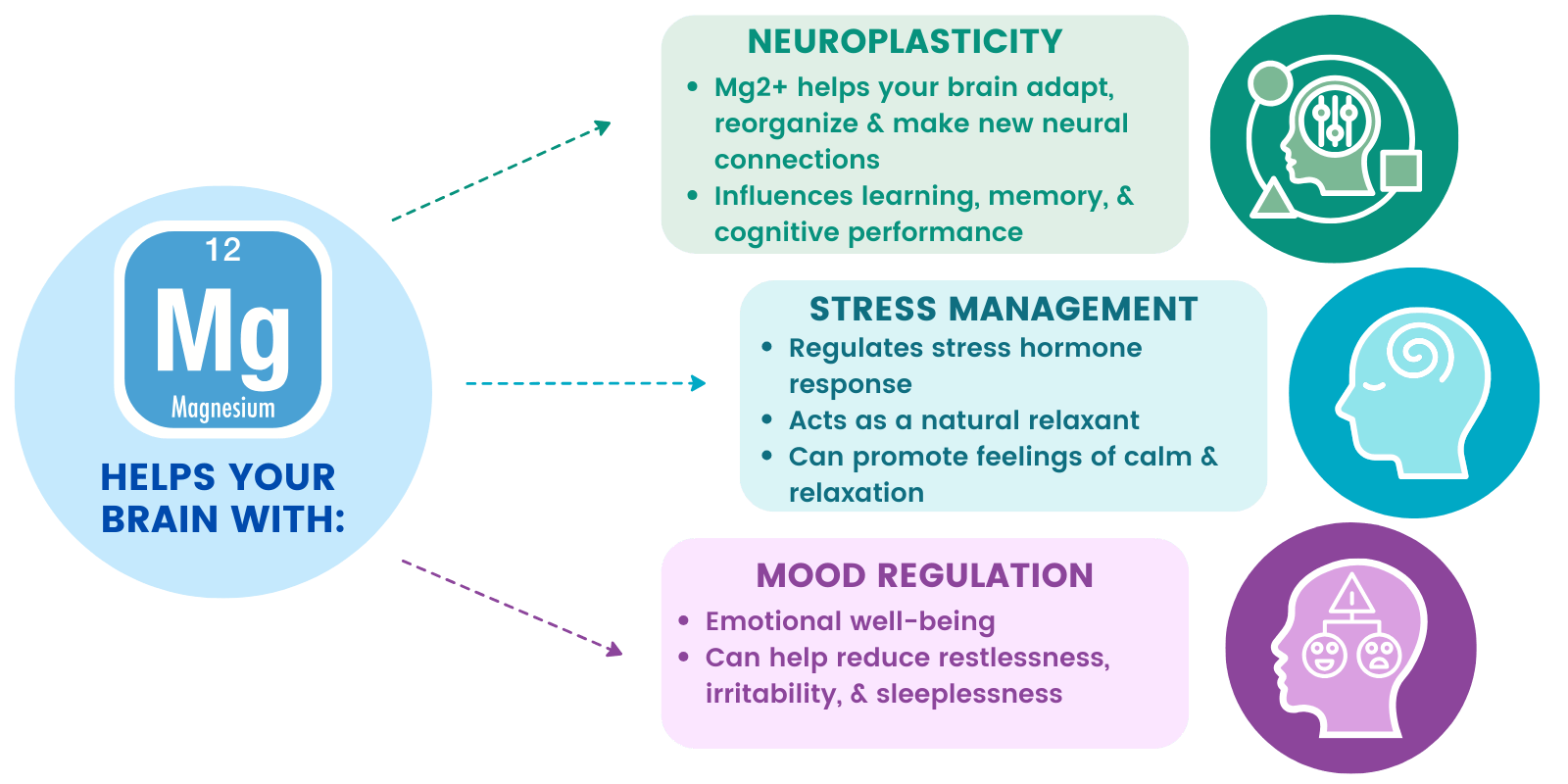
Magnesium is a cofactor for over 300 enzymatic reactions, many of which occur in the brain. It helps stabilize cellular function, regulate neurotransmitters, and modulate the brain’s response to stress. Low magnesium levels are linked to increased inflammation and oxidative stress, both of which are implicated in cognitive decline and neurodegenerative conditions such as Alzheimer’s disease. Additionally, magnesium supports the brain’s hippocampus – the region responsible for memory formation and retrieval – by enhancing synaptic plasticity and neurogenesis.
Researchers have proposed several mechanisms for why calcium and magnesium deficiency may impact cognition:
- Impaired Neurotransmission: Calcium and magnesium are essential for neurotransmitter release and receptor function. Low levels can hinder the transmission of signals between neurons, leading to impaired cognitive processing.
- Oxidative Stress and Inflammation: Both calcium and magnesium help mitigate oxidative stress and inflammation, which are known contributors to cognitive decline. Without adequate levels of these minerals, the brain is more vulnerable to oxidative damage.
- Stress Response: Magnesium, in particular, has a calming effect on the brain by regulating the hypothalamic-pituitary-adrenal (HPA) axis, which controls the body’s response to stress. Chronic stress is known to impair memory and other cognitive functions, so low magnesium levels may lead to an overactive stress response, negatively impacting cognition.
- Synaptic Plasticity and Memory: Calcium and magnesium are involved in synaptic plasticity, the brain’s ability to form and strengthen connections between neurons. This function is critical for memory formation and retrieval, so low levels could compromise the brain’s ability to learn and adapt.
The findings of this study suggest that monitoring calcium and magnesium levels could become part of routine cognitive health assessments. Healthcare providers might recommend dietary changes or supplements for individuals with low levels of these minerals. Given that calcium and magnesium deficiencies are relatively easy to correct through diet or supplementation, such interventions could represent a simple yet effective approach to supporting cognitive health as people age.
Maintaining adequate levels of calcium and magnesium may be beneficial not only for bone and muscle health but also for preserving cognitive function. Here are a few ways to ensure these nutrients remain at optimal levels:
- Diet: Consuming a balanced diet rich in calcium and magnesium is essential. Foods high in calcium include dairy products, leafy greens, and fortified cereals. Magnesium can be found in foods such as nuts, seeds, whole grains, and leafy greens.
- Supplements: In cases where dietary intake is insufficient, supplements may be necessary. Consulting with a healthcare provider can help determine the appropriate dosage, especially since too much calcium or magnesium can also have adverse effects.
- Lifestyle Choices: Avoiding excessive alcohol intake and smoking, which can impair nutrient absorption, may help maintain healthy levels of calcium and magnesium.
This study highlights the intricate relationship between micronutrient levels and brain health. While further research is needed to establish causation, the link between low calcium and magnesium levels and cognitive performance is a promising area of investigation. Small adjustments to diet and lifestyle could help mitigate the risk of cognitive decline associated with deficiencies in these minerals. As awareness of this link grows, individuals and healthcare providers alike can take proactive steps to support cognitive health through better nutrition and potentially reduce the risk of age-related cognitive decline.
Stay tuned to “The Hitchhiker’s Guide to Medicine” as we uncover more marvels and milestones in the field of medical science. Until then, keep exploring, and stay curious!
 A Hitchhiker's Guide to Medicine
Leave a comment