

Welcome back to another adventure along The Hitchhiker’s Guide to Medicine! Today, we will discuss an intriguing study concerning Vitamin D deficiency and its connection to autoimmune diseases.
Vitamin D, beyond supporting bone health, plays a vital role in immune regulation. It influences T cells—specialized white blood cells crucial for immune responses—by guiding their maturation in the thymus, a gland responsible for training T cells to distinguish between healthy and harmful cells. Early-life deficiency of vitamin D disrupts this process, leading to an increased likelihood of T cells that mistakenly attack the body’s tissues, a phenomenon contributing to autoimmune diseases such as type 1 diabetes.
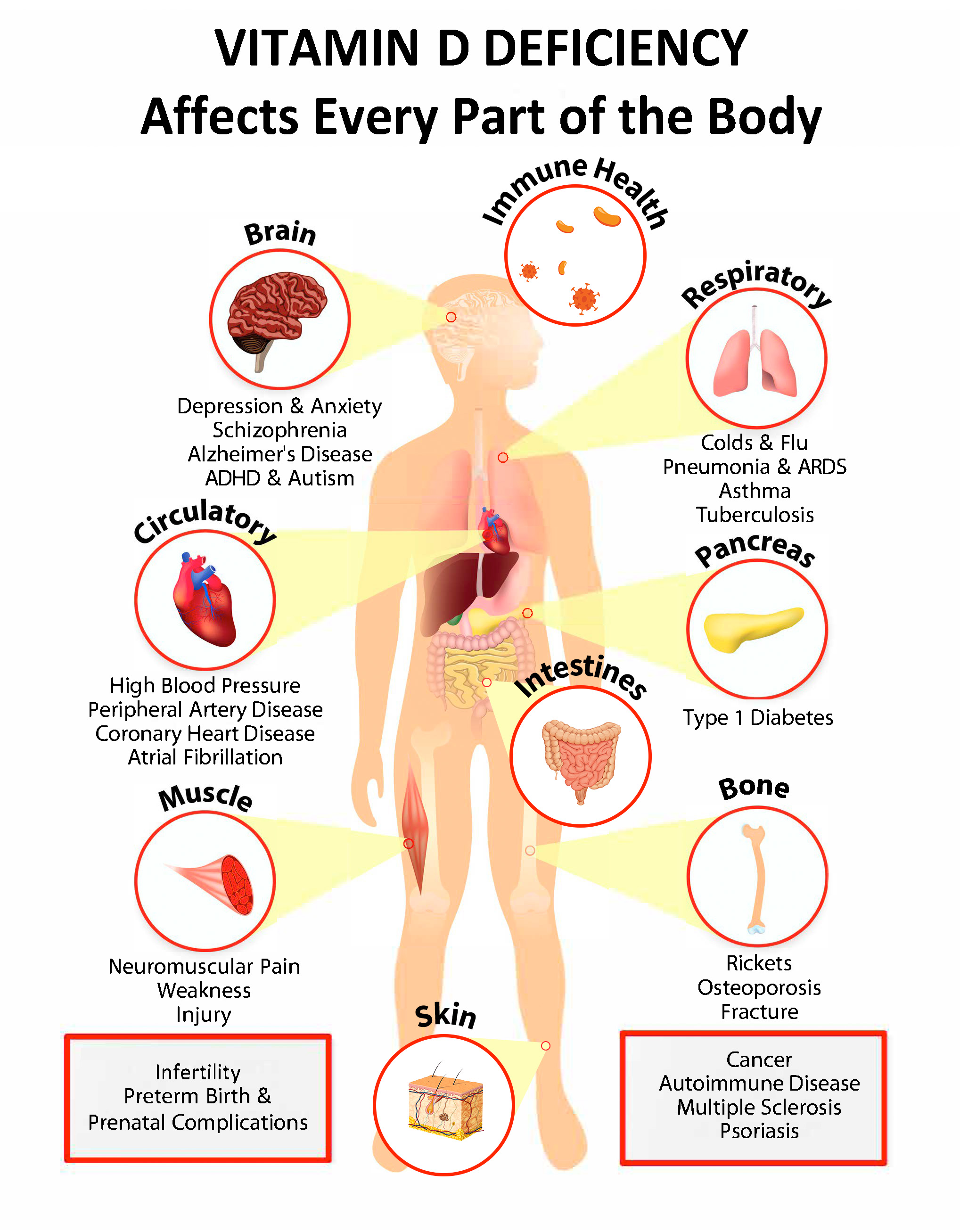
In the thymus, immature T cells undergo selection phases to ensure only those that recognize foreign proteins (antigens) mature while those that target self-proteins are eliminated. This “negative selection” is essential for preventing autoimmune reactions. Vitamin D impacts this process by supporting the function of the autoimmune regulator (Aire) gene, which helps T cells develop tolerance to the body’s own proteins. Vitamin D deficiency reduces thymus size and function, impairing the Aire gene expression and leading to a higher production of T cells that may harm healthy tissues.
A recent study highlights how vitamin D deficiency impairs thymic function and T cell development, especially during early life. Mice lacking a key enzyme for producing active vitamin D showed smaller thymuses and fewer T cells, mirroring an accelerated aging of the immune system. Importantly, these mice developed more autoreactive T cells, which led to autoimmunity in tissues like the lungs and salivary glands. This study underscores vitamin D’s role in establishing immune tolerance in early life, which can reduce the risk of autoimmune conditions.
These findings point to a broader health implication: maintaining adequate vitamin D levels in early life could help prevent autoimmune diseases by supporting healthy immune development. This is especially critical during childhood, as the thymus reaches full maturity by puberty.
Ensuring sufficient vitamin D intake through diet, safe sun exposure, or supplements may be a preventive strategy to lower autoimmune disease risk. Especially in regions with limited sunlight, healthcare providers often recommend vitamin D supplements for young children to support immune function and bone health. Stay tuned to “The Hitchhiker’s Guide to Medicine” as we uncover more marvels and milestones in the field of medical science. Until then, keep exploring, and stay curious!
 A Hitchhiker's Guide to Medicine
Leave a comment