

Welcome back to another adventure along The Hitchhiker’s Guide to Medicine! Today, we will talk about how exposure to environmental metals can increase your risk for cardiovascular diseases!
Environmental pollution, particularly in industrialized regions, has long been a recognized health hazard. However, emerging research reveals a more specific and alarming concern: exposure to heavy metals like lead, cadmium, and mercury, commonly found in polluted environments, may significantly increase the risk of developing atherosclerosis, a serious cardiovascular condition.
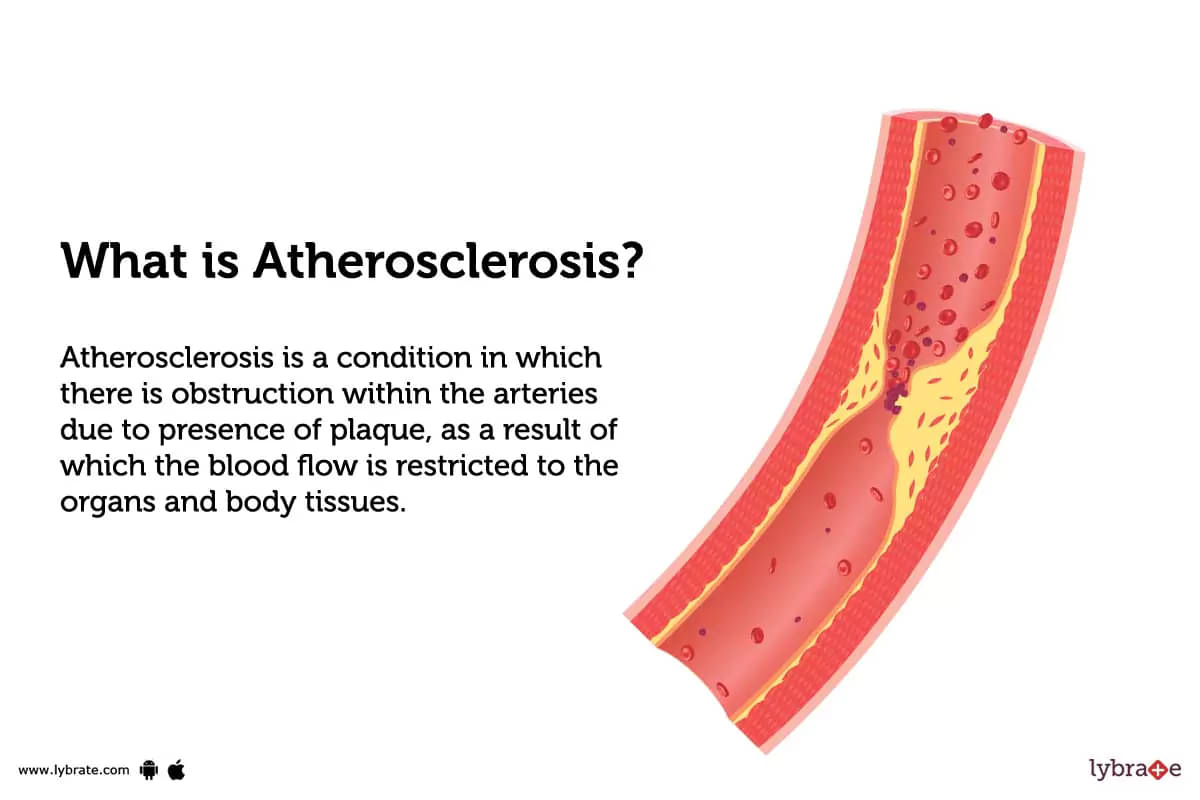
Atherosclerosis is a disease where plaque builds up inside the arteries, leading to restricted blood flow. Over time, this condition can result in severe cardiovascular events such as heart attacks and strokes. Traditionally, factors like poor diet, sedentary lifestyles, and smoking have been the primary culprits, but now, researchers are increasingly identifying environmental pollutants as contributing factors.
Heavy metals like lead, cadmium, and mercury enter the human body through inhalation, ingestion, or dermal contact, particularly in areas with high pollution levels. These metals have no biological function and are toxic even in small amounts. Once inside the body, they trigger oxidative stress and chronic inflammation, two processes that accelerate the development of plaque in the arteries.
- Cadmium: Often found in cigarette smoke and industrial emissions, cadmium exposure has been linked to oxidative damage in blood vessels, making them more susceptible to atherosclerosis.
- Lead: Exposure to lead, commonly through contaminated water, air, and soil, is associated with high blood pressure, a major risk factor for heart disease. Prolonged exposure also leads to arterial stiffness and thickening, promoting plaque formation.
- Mercury: Found in contaminated fish and industrial runoff, mercury is another metal that contributes to oxidative stress and inflammation, worsening the risk of heart disease and arterial damage.
While large-scale environmental pollution might seem distant for those living away from industrial zones, the reality is that heavy metal exposure is more pervasive than we think. Metals can accumulate in soil, water sources, and food chains, posing a threat to human health even in rural areas. Because the effects of metal exposure are often delayed, many people may not immediately realize the harm being done to their cardiovascular systems.
This growing understanding of the connection between metal exposure and cardiovascular health underscores the need for stricter environmental regulations. Governments must address industrial pollution more aggressively to minimize heavy metal emissions and protect public health.
Individuals can take steps to reduce their risk as well:
- Filter water sources: Using water filters that remove heavy metals can help lower lead exposure.
- Monitor air quality: Air quality monitors can help track pollution levels, particularly in urban areas, and individuals can avoid outdoor activities during peak pollution times.
- Eat safe foods: Consuming food from sources that are known to be free of contamination reduces the risk of mercury and cadmium exposure.
The impact of environmental pollution on human health extends far beyond what we once believed. Heavy metals like lead, cadmium, and mercury, hidden in our air, water, and soil, may be contributing to a silent rise in cardiovascular disease through atherosclerosis. The fight for a healthier future now must include not only lifestyle changes but also efforts to clean up the world around us. Stay tuned to “The Hitchhiker’s Guide to Medicine” as we uncover more marvels and milestones in the field of medical science. Until then, keep exploring, and stay curious!
 A Hitchhiker's Guide to Medicine
Leave a comment