
Welcome back to another adventure along The Hitchhiker’s Guide to Medicine! Today, we will look at an amazing discovery concerning the highly-esteemed Mediterranean diet and COVID-19!
In the ongoing fight against COVID-19, emerging research has suggested that diet could play a crucial role in reducing infection risk. One diet that has gained particular attention is the Mediterranean diet, renowned for its heart-healthy benefits and longevity-promoting properties. Recent studies have indicated that this diet may also lower the risk of contracting COVID-19. Let’s explore the connection between the Mediterranean diet and its potential protective effects against this virus.
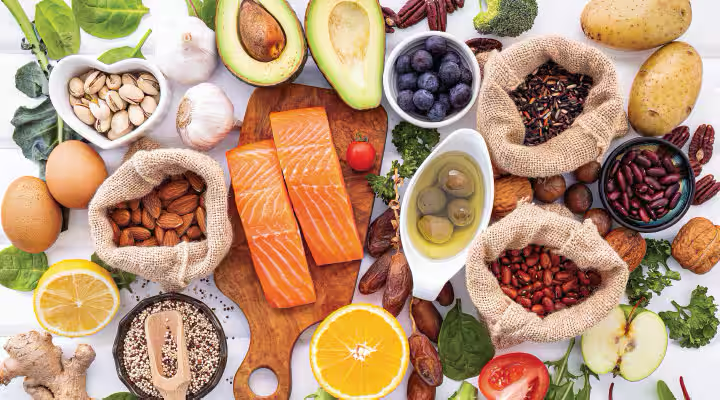
The Mediterranean diet is a plant-based eating pattern inspired by the traditional dietary habits of countries bordering the Mediterranean Sea, such as Greece, Italy, and Spain. It emphasizes the consumption of:
- Fruits and Vegetables: Fresh, seasonal produce forms the cornerstone of the diet.
- Whole Grains: Foods like whole wheat bread, oats, and brown rice are staples.
- Healthy Fats: Extra virgin olive oil is the primary source of fat, providing monounsaturated fats that are beneficial for heart health.
- Nuts and Seeds: These are rich in healthy fats, fiber, and essential nutrients.
- Lean Proteins: Fish and poultry are preferred over red meat, with an emphasis on fatty fish like salmon, rich in omega-3 fatty acids.
- Herbs and Spices: Instead of salt, meals are flavored with a variety of herbs and spices, which have antioxidant properties.
The Mediterranean diet is also rich in vitamins, minerals, and antioxidants, all of which are essential for a healthy immune system. Key components include:
- Vitamin C: Abundant in fruits and vegetables, this vitamin is crucial for immune function and helps protect against oxidative stress.
- Vitamin D: Found in fatty fish and fortified foods, vitamin D plays a role in regulating the immune response and reducing inflammation.
- Polyphenols: These compounds, present in olive oil, fruits, and vegetables, have anti-inflammatory and antiviral properties.
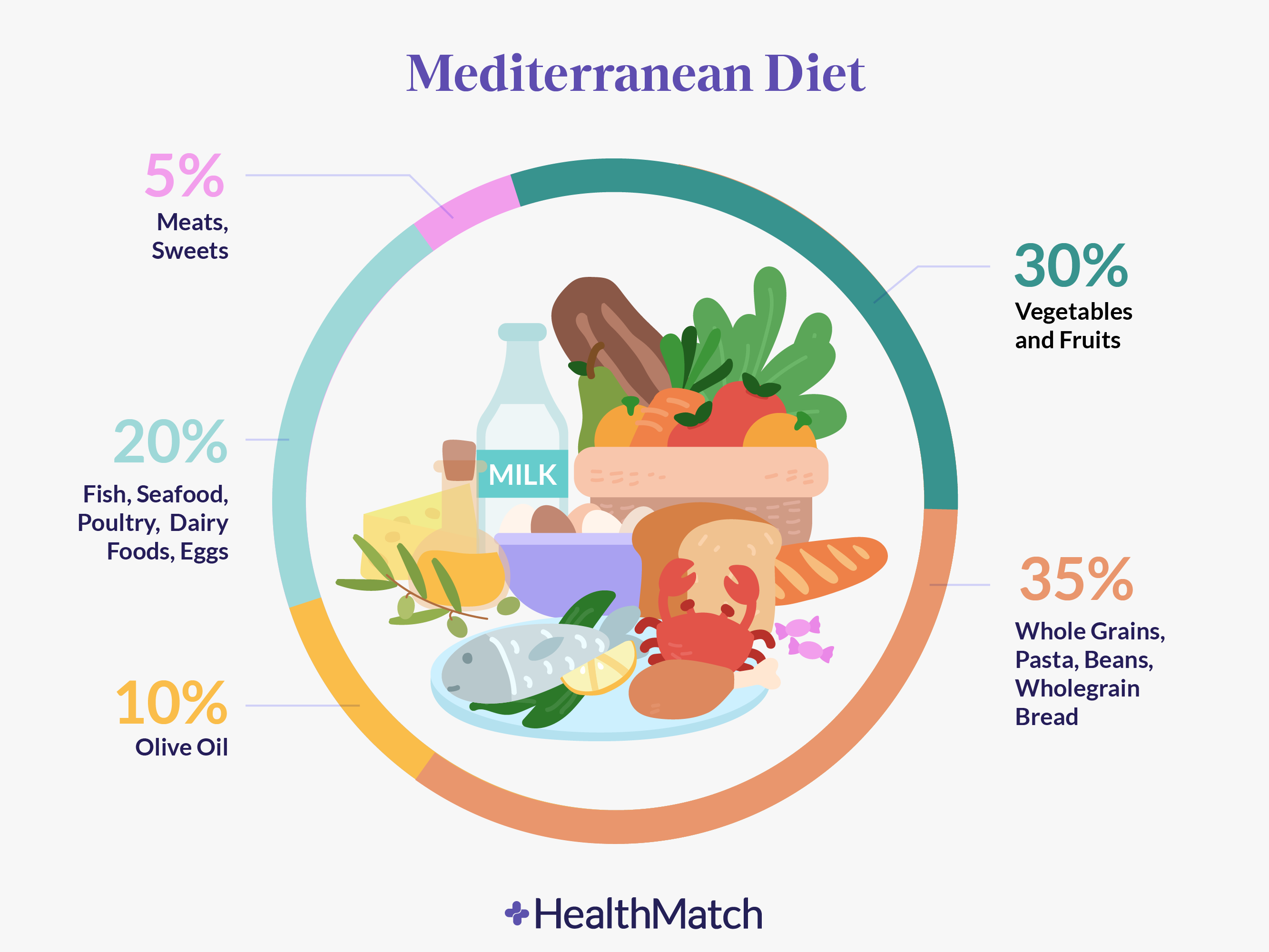
The diet’s emphasis on whole, unprocessed foods means that it is low in added sugars and unhealthy fats, which can weaken immune function and increase susceptibility to infections.
Studies have examined the potential protective effects of the Mediterranean diet against COVID-19. Researchers found that individuals who adhered closely to this diet had a significantly lower risk of contracting the virus. This could be attributed to the diet’s anti-inflammatory properties, which may help reduce the severity of viral infections.
Researchers suggest that the Mediterranean diet may enhance the body’s natural defenses against infections, including COVID-19, by promoting a balanced immune response. This is particularly important given that chronic inflammation is a known risk factor for severe COVID-19 outcomes.
Incorporating the Mediterranean diet into your daily life doesn’t have to be complicated. Here are some tips to get started:
- Prioritize Plant-Based Foods: Fill half your plate with fruits and vegetables at every meal.
- Choose Whole Grains: Opt for whole grain options like brown rice, quinoa, and whole wheat bread.
- Use Olive Oil: Replace butter and margarine with extra virgin olive oil for cooking and dressings.
- Eat Fish Regularly: Aim for at least two servings of fatty fish per week.
- Snack on Nuts and Seeds: Keep a stash of almonds, walnuts, or pumpkin seeds for a quick, healthy snack.
- Limit Red Meat: Choose poultry or fish more often, and when you do eat red meat, select lean cuts and keep portions moderate.
As the world continues to grapple with the COVID-19 pandemic, the Mediterranean diet offers a promising, natural approach to bolstering immune health and potentially reducing the risk of infection. While more research is needed to fully understand the relationship between diet and COVID-19, the evidence so far is compelling. Adopting a Mediterranean diet may not only improve your overall health but also serve as a protective measure against infectious diseases like COVID-19. As always, stay tuned to “The Hitchhiker’s Guide to Medicine” as we uncover more marvels and milestones in the field of medical science. Until then, keep exploring, and stay curious!
 A Hitchhiker's Guide to Medicine
Leave a comment