

Welcome again to another journey along The Hitchhiker’s Guide to Medicine! Today, we will cover a new preventative method for those at high risk of Alzheimers: fish oil.
Alzheimer’s disease remains one of the most daunting challenges in medicine, particularly due to its complex etiology involving genetic and environmental factors. While there’s no definitive cure yet, emerging research continues to explore potential preventative strategies. A recent study sheds light on a promising development: the potential benefits of fish oil supplements, rich in omega-3 fatty acids, for individuals genetically predisposed to Alzheimer’s disease.
Alzheimer’s disease, a neurodegenerative condition characterized by progressive cognitive decline, is influenced by various genetic factors. Among these, the APOE ε4 gene variant is one of the most significant risk factors. Individuals carrying this variant are at a substantially higher risk of developing Alzheimer’s, often at an earlier age. This genetic predisposition, however, doesn’t guarantee the onset of the disease, leading researchers to investigate lifestyle and dietary interventions that might mitigate this risk.
Omega-3 fatty acids, particularly EPA (eicosapentaenoic acid) and DHA (docosahexaenoic acid), have long been studied for their neuroprotective properties. These fatty acids are integral to brain health, contributing to the structural integrity of neuronal membranes, reducing inflammation, and promoting synaptic plasticity. Previous studies have suggested that omega-3 supplementation could delay cognitive decline in older adults, but the new research focuses specifically on those with a genetic predisposition to Alzheimer’s.
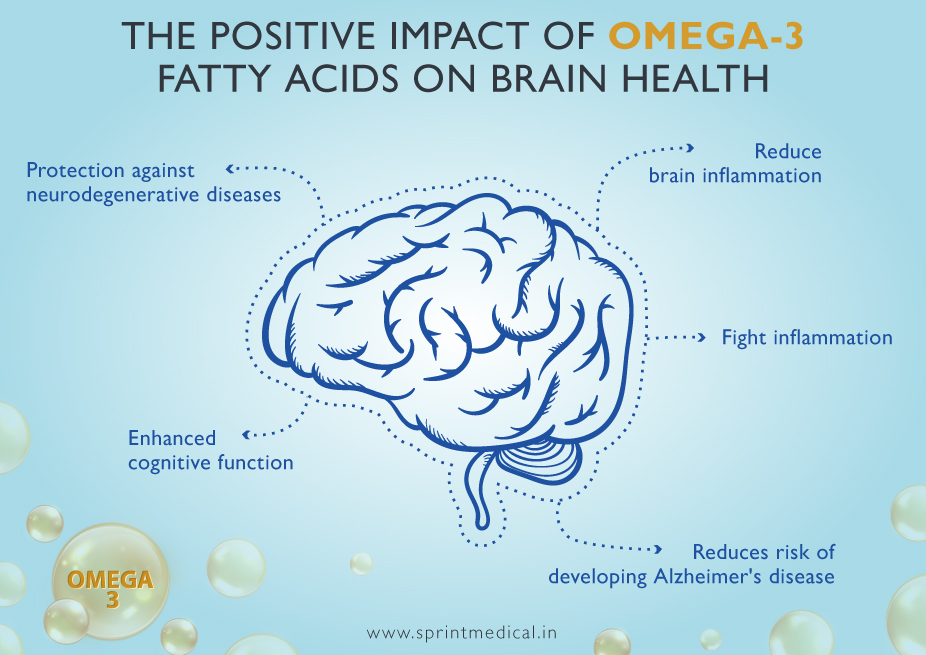
When researching effects of fish oil supplements on individuals carrying the APOE ε4 variant, Researchers discovered that these individuals, who are at a higher genetic risk for Alzheimer’s, showed cognitive benefits from regular fish oil supplementation. Specifically, the study found that:
- Cognitive Preservation: Participants with the APOE ε4 variant who regularly consumed fish oil exhibited slower cognitive decline compared to those who did not supplement their diet with fish oil.
- Neuroimaging Evidence: MRI scans revealed that individuals taking fish oil had less brain atrophy, particularly in regions critical for memory and cognitive function, such as the hippocampus.
- Reduced Inflammation: Fish oil supplementation was associated with lower levels of inflammatory markers in the brain, which are often elevated in individuals at risk for or suffering from Alzheimer’s.
These findings are particularly significant because they suggest a non-pharmacological, accessible intervention that could potentially delay or reduce the impact of Alzheimer’s in genetically predisposed individuals. While the study does not suggest that fish oil is a cure, it offers a glimmer of hope for those seeking to take proactive steps in preserving cognitive function.
The battle against Alzheimer’s is far from over, but studies like these provide crucial insights into how we can potentially mitigate the risk in those most vulnerable. Fish oil supplements, with their rich omega-3 content, may offer a simple yet effective tool in preserving cognitive function, particularly for those with a genetic predisposition to Alzheimer’s. As we continue to uncover the complex interplay between genetics, diet, and brain health, personalized interventions could become a key strategy in preventing or delaying the onset of Alzheimer’s disease. Stay tuned to “The Hitchhiker’s Guide to Medicine” as we uncover more marvels and milestones in the field of medicine. Until then, keep exploring and stay curious!
 A Hitchhiker's Guide to Medicine
Leave a comment