

Welcome back to another adventure along The Hitchhiker’s Guide to Medicine! Today, we will look at an intriguing discovery research made that provides a clear connection between working out and decreasing the risk of dementia and Parkinson’s.
Researchers have found that higher levels of visceral fat, particularly around the abdomen and arms, may be associated with a greater risk of dementia and Parkinson’s disease. Visceral fat is not just a passive storage of calories but an active organ that releases harmful substances into the body. These substances can lead to inflammation, insulin resistance, and other metabolic disturbances, which in turn may affect brain health.
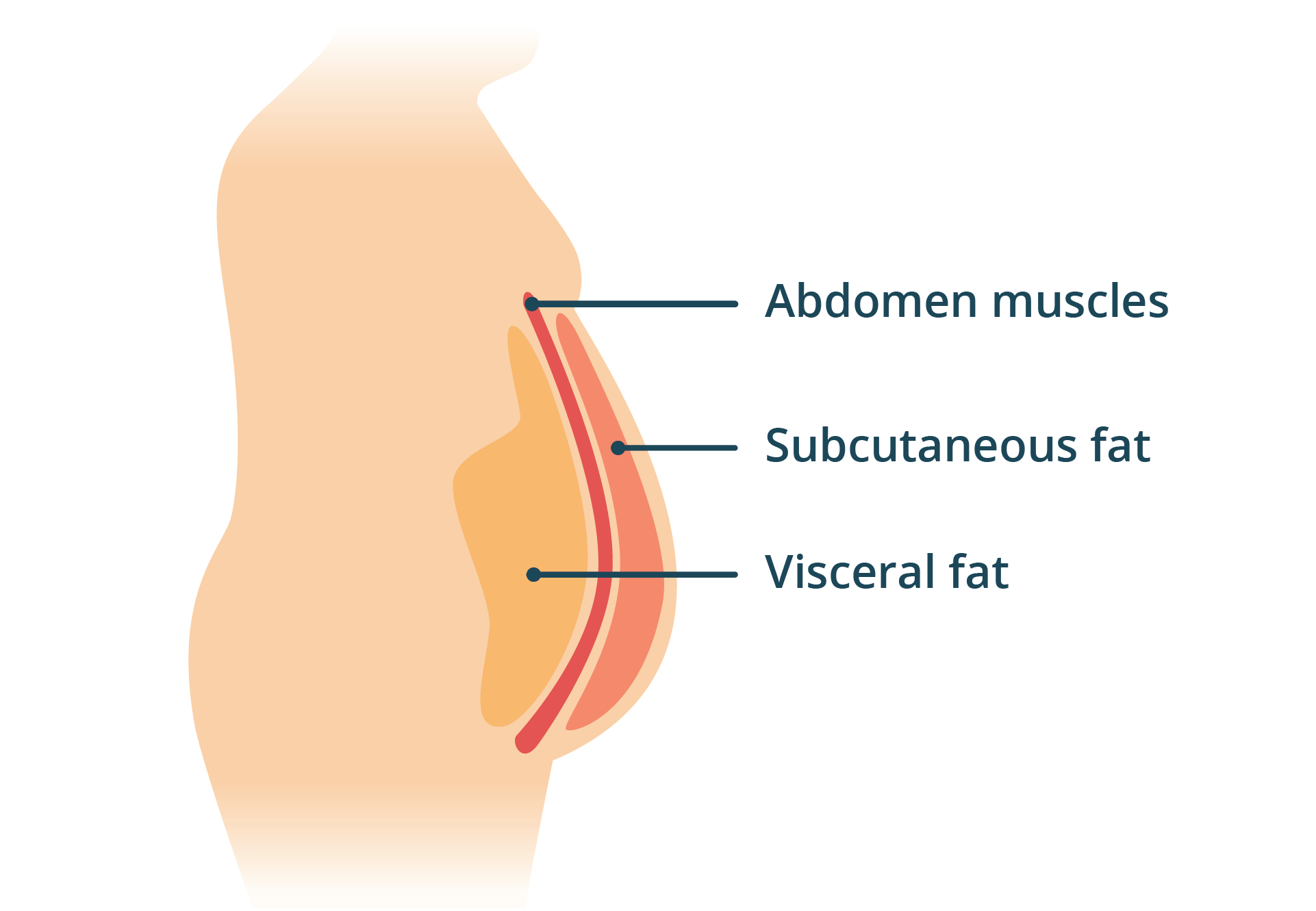
Excess visceral fat can have several negative impacts on brain health:
- Inflammation: Fat tissue releases pro-inflammatory cytokines, which can lead to chronic inflammation. Chronic inflammation has been linked to various neurodegenerative diseases, including dementia. This persistent state of inflammation can damage brain cells and disrupt neural connections, contributing to cognitive decline.
- Insulin Resistance: High levels of visceral fat can lead to insulin resistance, which impairs the brain’s ability to use glucose efficiently. Glucose is the primary energy source for the brain, and when the brain cells cannot use glucose properly, it can result in cognitive decline over time. This condition is a significant risk factor for neurodegenerative diseases.
- Hormonal Imbalances: Visceral fat affects the balance of hormones such as leptin and adiponectin, which play crucial roles in brain function and health. Leptin is involved in regulating appetite and energy balance, while adiponectin helps reduce inflammation and improve insulin sensitivity. Imbalances in these hormones due to excess visceral fat can negatively impact brain health.
Regular physical activity can help reduce visceral fat and improve overall metabolic health. Exercise has been shown to:
- Decrease Inflammation: Physical activity reduces the levels of pro-inflammatory markers in the body. Lower inflammation helps protect brain cells and maintain healthy neural connections.
- Improve Insulin Sensitivity: Exercise enhances the body’s ability to use insulin effectively, helping maintain proper glucose levels in the brain. This improvement supports better cognitive function and reduces the risk of neurodegenerative diseases.
- Boost Brain Health: Exercise increases blood flow to the brain, promotes the growth of new neurons, and enhances cognitive functions. Regular physical activity can lead to better memory, attention, and overall mental performance.
Maintaining a healthy weight through regular exercise is crucial not only for physical health but also for protecting brain health. By reducing visceral fat, we can potentially lower the risk of developing neurodegenerative diseases like dementia and Parkinson’s. So, next time you hit the gym or go for a run, remember that you’re not just working towards a fit body but also a healthy brain. stay tuned to “The Hitchhiker’s Guide to Medicine” as we uncover more marvels and milestones in the field of medical science. Until then, keep exploring(or working out) and stay curious!
 A Hitchhiker's Guide to Medicine
Leave a comment