
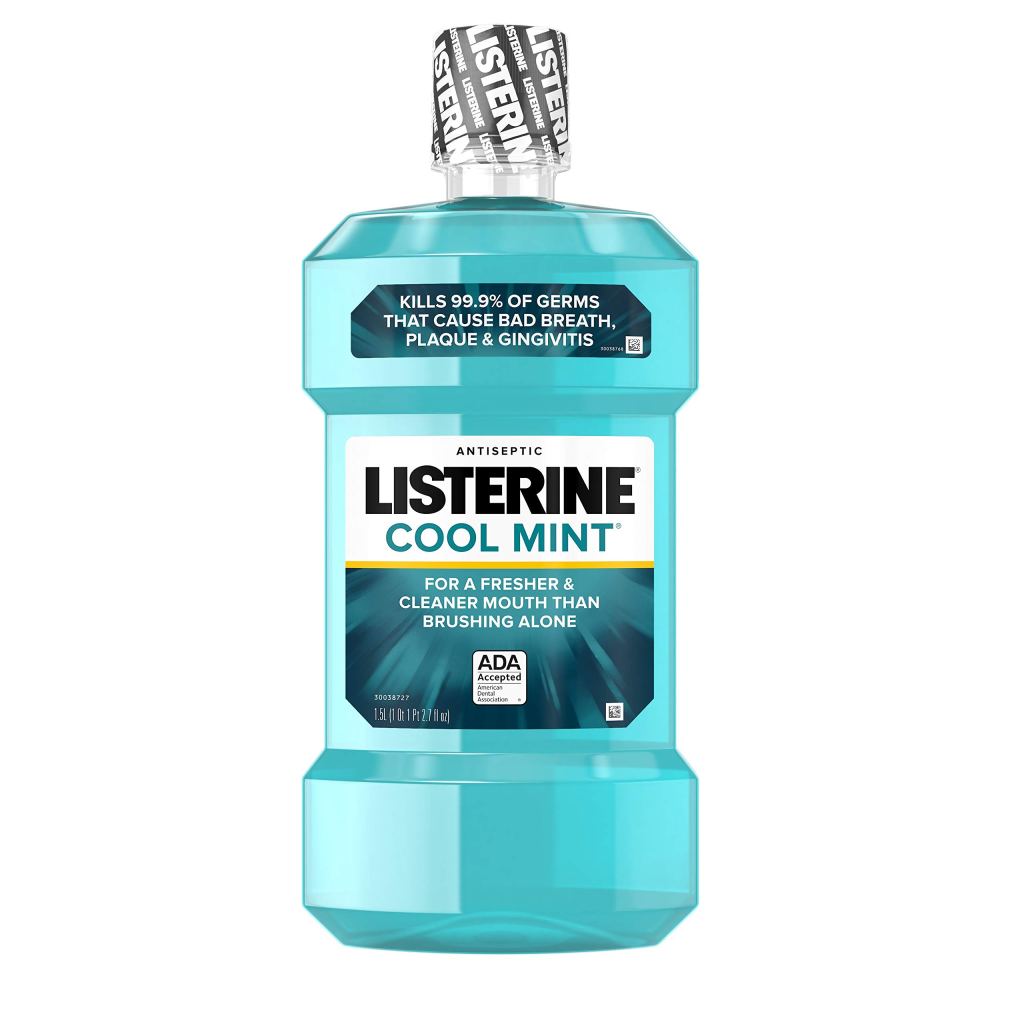
Welcome again to another exploration into The Hitchhiker’s Guide to Medicine! Today, we will take a look at one of the more puzzling, and alarming, discovery scientists recently made about a common hygiene product we all have used: Listerine.
Listerine and other popular brands of mouthwash are alcohol based, meaning the compound alcohol is a key ingredient in the production of the mouthwash. But why is alcohol even used in mouthwash? It can primarily be attributed to alcohol’s antiseptic abilities, as it is extremely useful in killing bacteria and other pathogens in the mouth. Additionally, alcohol acts a good preservative to extent the shelf-life of a mouthwash, and It can help other active ingredients penetrate plaque on the teeth.

Studies have now found significant changes in oral bacteria after using alcohol-based Listerine Cool Mint mouthwash. Specifically, it increased harmful bacteria linked to diseases and decreased beneficial bacteria important for cardiovascular health.
- Bacterial Changes: studies have observed significant alterations in the composition of the oral microbiome. Two specific bacteria, Fusobacterium nucleatum and Streptococcus anginosus, were found to be significantly more abundant after using alcohol-based mouthwash. Fusobacterium nucleatum is known to contribute to gum disease and has been linked to the development of esophageal and colorectal cancer, cancer in your throat and intestines, respectively. Streptococcus anginosus is also associated with these cancers and other systemic infections.
- Health Risks: Another observation was a decrease in Actinobacteria, which play a crucial role in maintaining oral health by contributing to the nitrate-nitrite-nitric oxide pathway. This pathway is essential for cardiovascular health as it helps in the conversion of dietary nitrates into nitric oxide, which that helps regulate blood pressure. The reduction of these beneficial bacteria could, therefore, negatively impact cardiovascular health.
- Opportunistic Bacteria: studies have also highlighted that alcohol-based mouthwash indiscriminately kills both beneficial and harmful bacteria, potentially leading to an imbalance that favors opportunistic pathogens. This imbalance can create an environment conducive to the growth of harmful bacteria, increasing the risk of periodontal disease and systemic diseases linked to oral health
While alcohol-based mouthwash may be effective for short-term use, its long-term use could disrupt the balance of oral bacteria, leading to increased health risks. Individuals should proceed with careful consideration and professional guidance when using alcohol-based mouthwashes regularly. Stay tuned to “The Hitchhiker’s Guide to Medicine” as we uncover more marvels and milestones in the field of medical science. Until then, keep exploring and stay curious!
 A Hitchhiker's Guide to Medicine
Leave a comment